"I know that I will never stop taking photographs — it's in my soul."— Luiza Michalewicz
You might ask: why photography? For me, the answer has never been simple — because the camera is far more than a tool. It is a vessel, a dictionary, an encyclopaedia — a way of understanding and engagement that allows me to connect with people and places I would never otherwise reach, and to move beyond observation into genuine participation.
With a camera in my hands, I am not a visitor passing through. I am present, attentive, and committed to what is in front of me. Photography is how I learn about the world — its cultures, its landscapes, and the ways of living that continue to exist alongside a rapidly changing present.
It is a recording of what remains of the untouched and the ancient: the traditions, the environments, the ways of being that modernity has not yet consumed. These are not subjects to be simplified or romanticised. They are realities to be approached with care, respect, and time.
"This is my way of learning about our extraordinary world — and it is the only way that has ever felt truly honest to me."
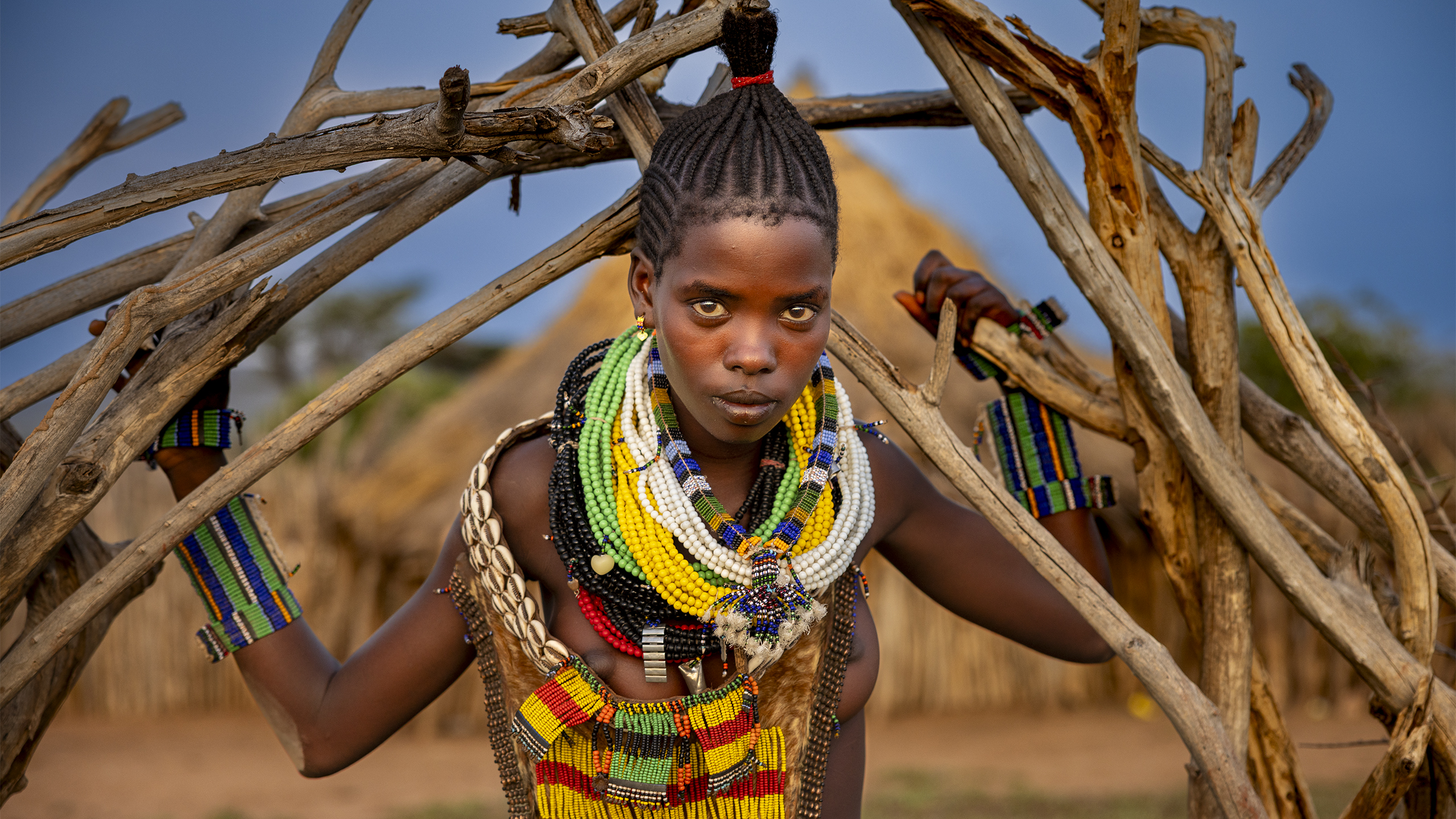
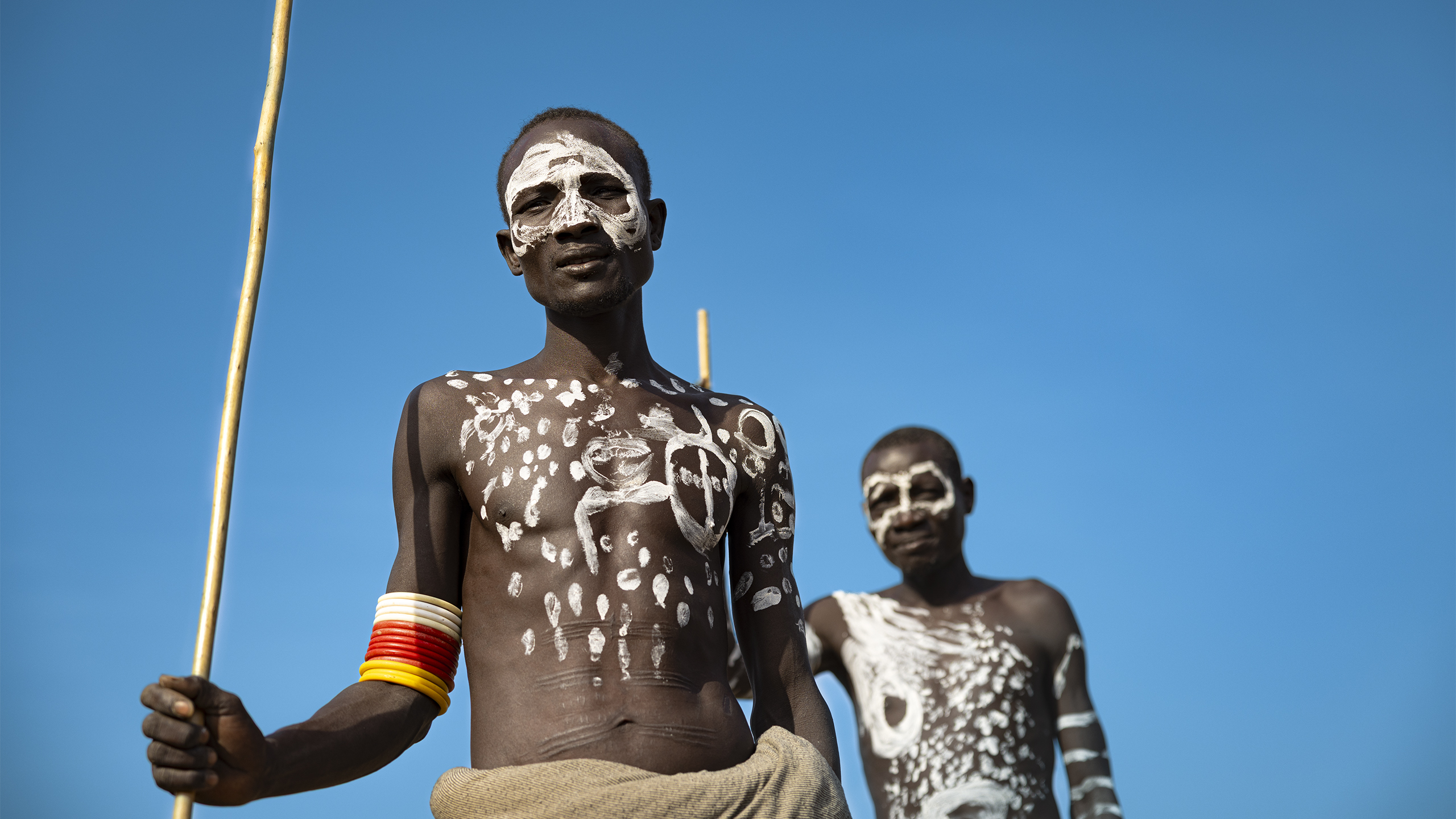
The stories I choose to tell are enduring and everlasting — stories with real substance and meaning that resist the surface and demand something deeper. I am drawn irresistibly to communities who maintain inherited knowledge and practices, often against all odds, often in the face of pressure to adapt or disappear.
There is a quiet strength in that continuity — something deeply human and increasingly rare. That devotion makes them unique, and it inspires me in a way that nothing else does.
I am equally drawn to the natural world: to wildlife and landscapes shaped by forces far beyond human control, to environments defined by resilience and constant change, where survival is never guaranteed. In both people and nature, I find the same essential quality — an independence from the pace and noise of modern life, an existence entirely on their own terms.
"Whatever pressures unfold beyond the frame, these subjects persist. Magnificently, quietly, completely themselves."— Luiza Michalewicz
To reach these moments, preparation is essential. I spend months — sometimes years — researching, planning, educating myself about my next subject: the history, the customs, the geography, the ethics of being present in someone else's world. I get physically fit for terrain that will test me, and I prepare my equipment knowing that no amount of planning will fully anticipate what I find.
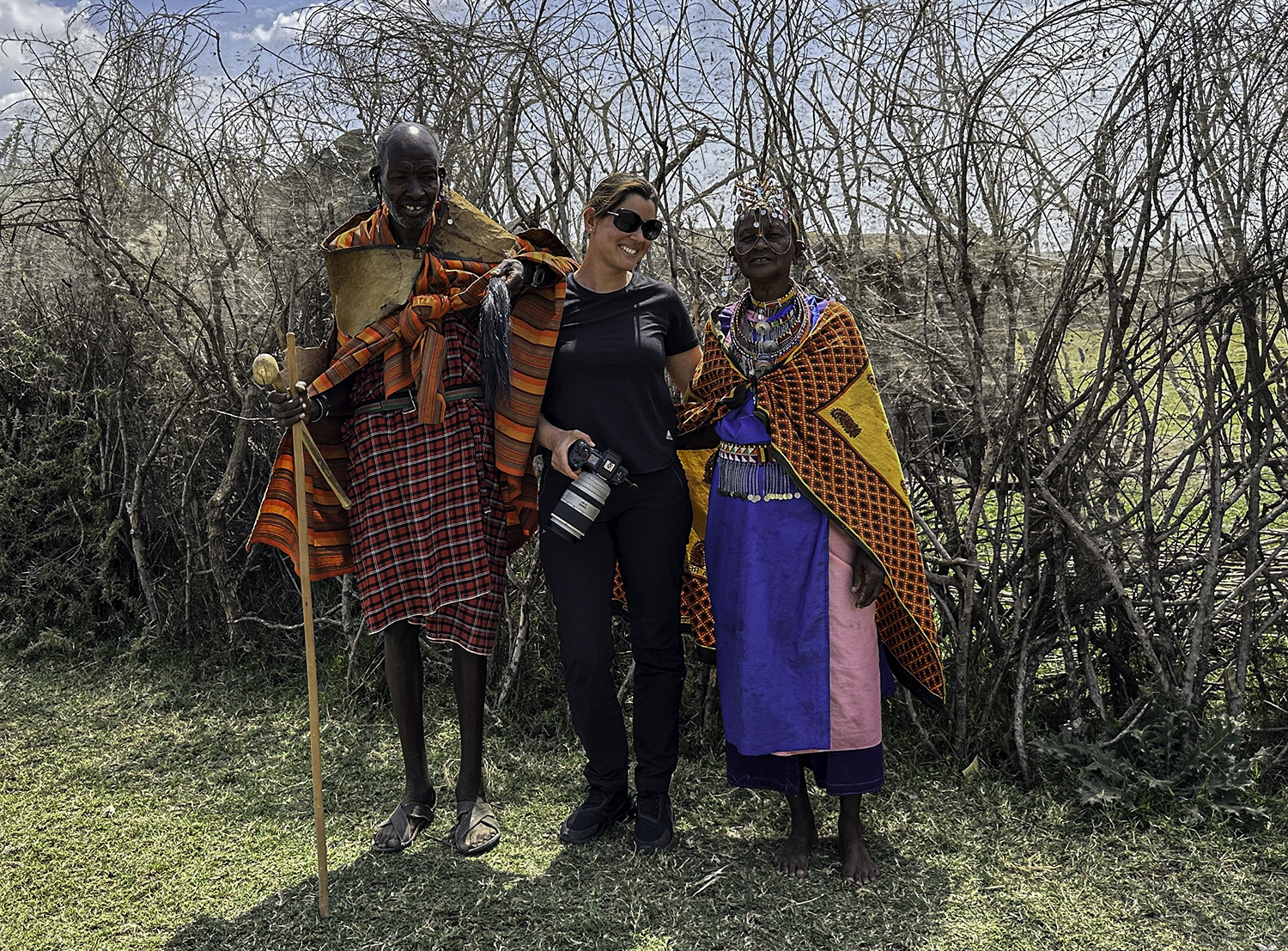
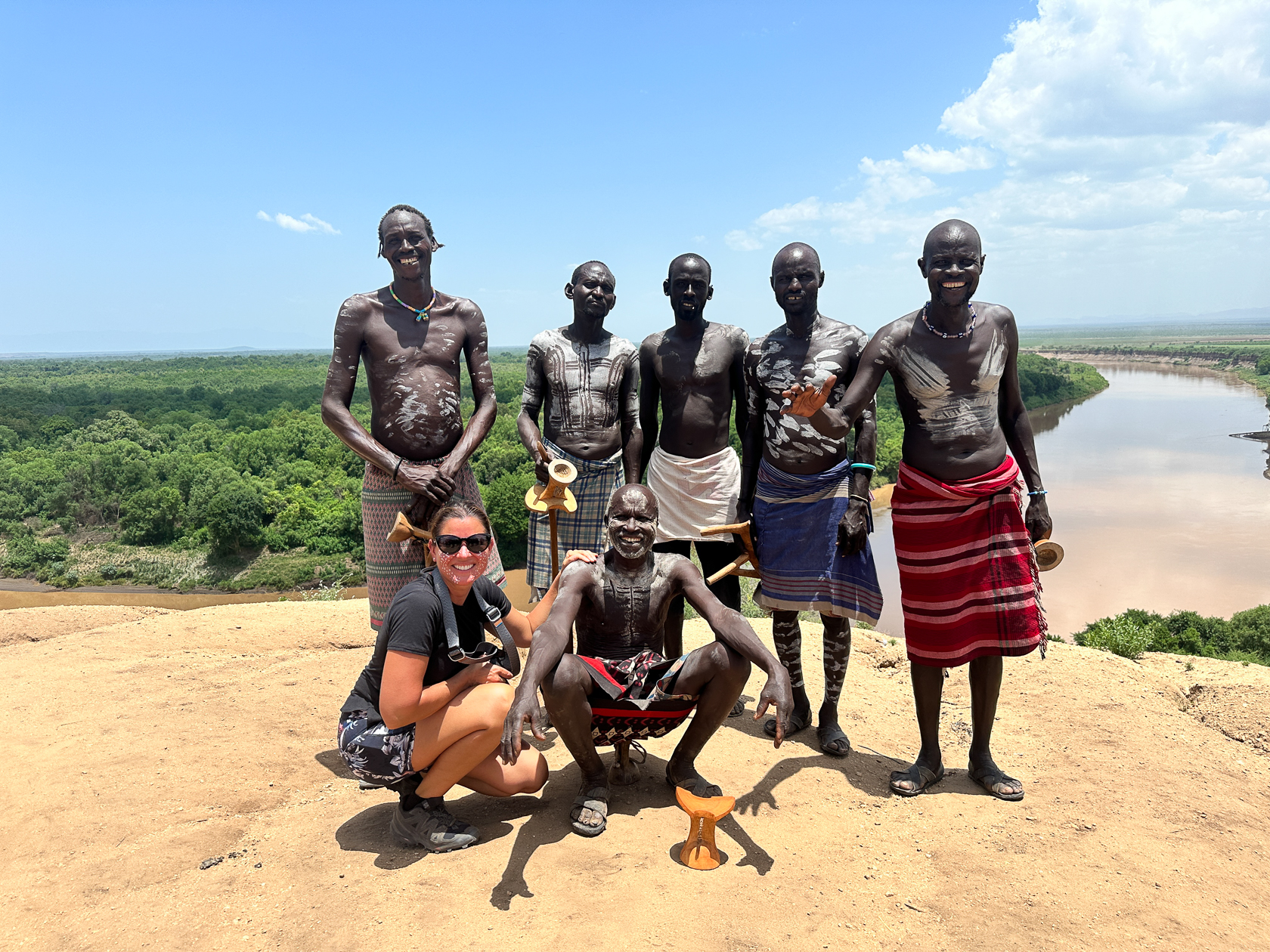
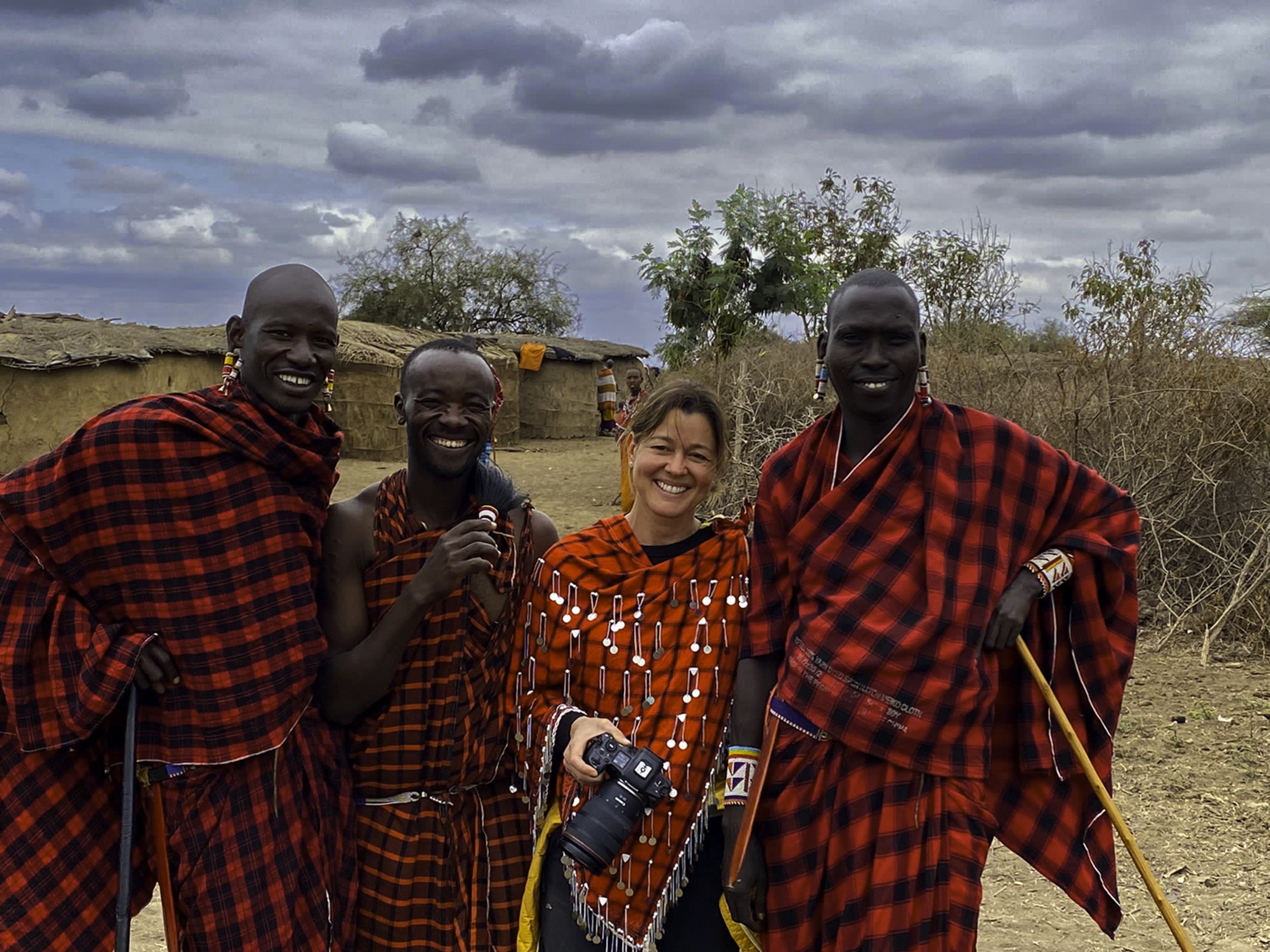
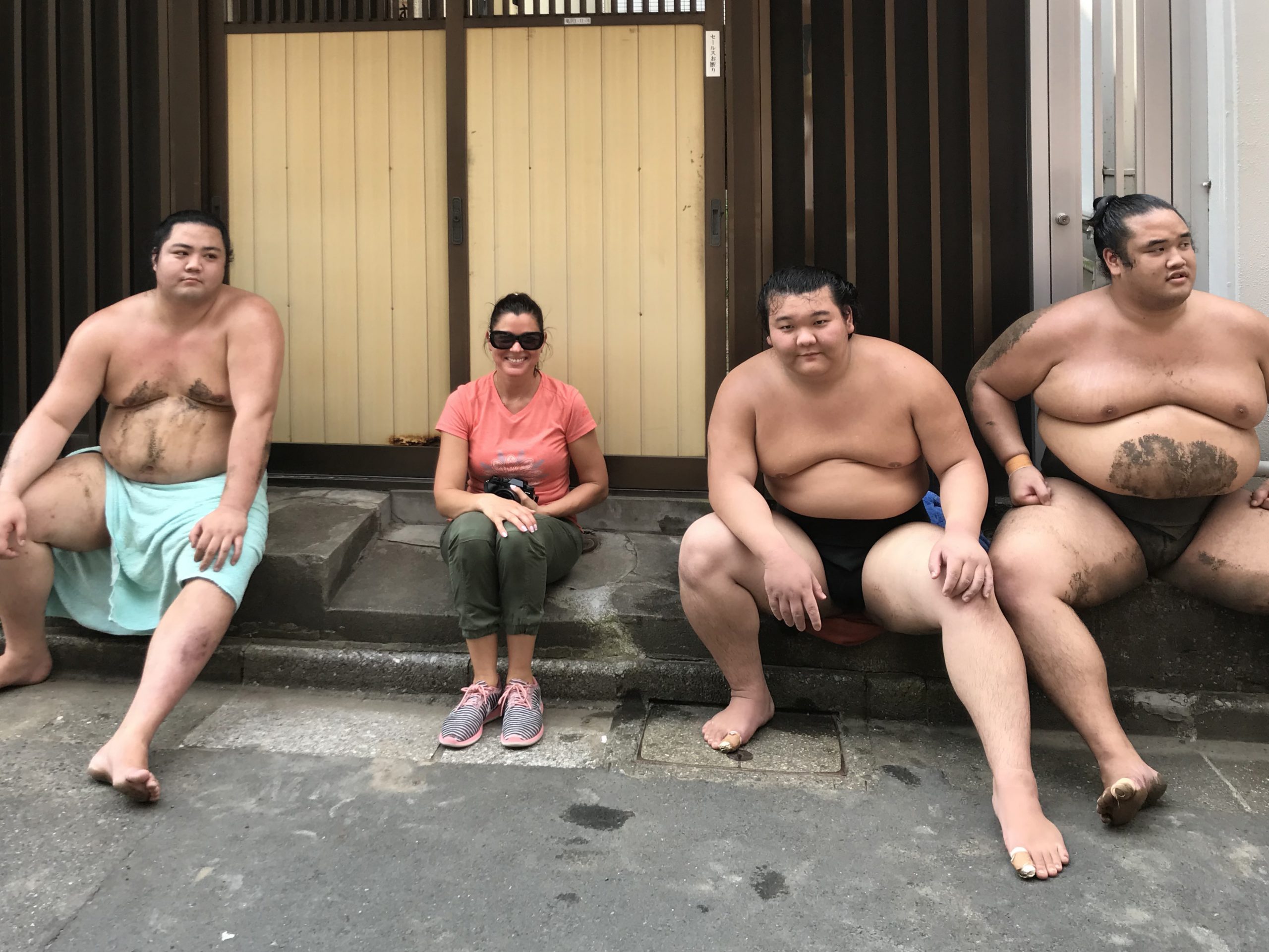
And then I go — understanding that arriving is only the beginning. Once I am there, the real work starts: earning trust, navigating difference, crossing barriers that are not only geographical. My face is not local. My language is not theirs. My camera is large and conspicuous and strange.
It takes time, patience, and real devotion to move past these things — to allow something genuine to emerge. I often travel with a tangle of difficult feelings: exhaustion from the long anticipation and journey, anxiety about whether connection will happen, whether the nature will cooperate, whether I will be safe.
I have learned to accept that uncertainty as part of the process, to let it sharpen my attention rather than undermine my resolve. Sometimes it takes multiple trips before a single collection is complete.
But every image I offer to the world has been earned — fully, honestly, at considerable personal cost. There is no other way I know how to work.


.png)
.png)
.png)

.png)
.png)
.png)
.png)
.png)


Before I was a photographer, I was an acrobat. I know what it means to give everything to a single moment — to be so fully present that the world around you disappears. That discipline never left me. It simply found a new form.
"Whether it's a ballerina mid-leap in Havana, a young generation keeping ancient traditions alive, or one of the remaining great tuskers moving silently across the African plains — I am always searching for that one instant of pure, unguarded life."
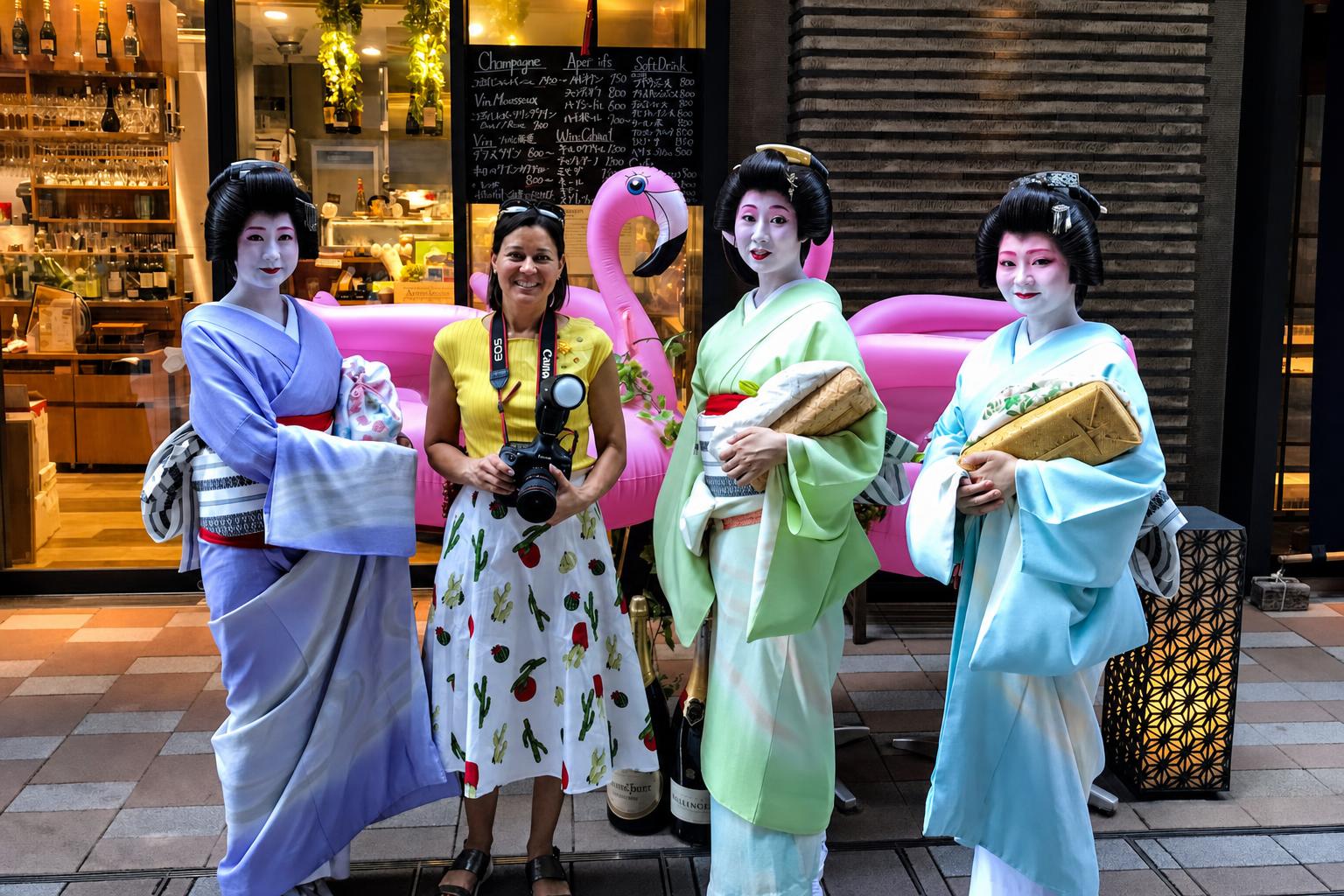
Two words have always guided me: Freedom and Curiosity. They carried me to the salt flats of Kati Thanda, the dusty plains of Africa, the lantern-lit streets of Kyoto, and the crumbling beauty of Havana.
The world keeps surprising me. And I keep showing up with my camera.
Every image I create is printed as a fine art piece on the highest quality materials — archival papers and acrylic face mounts. Each print is crafted to last generations, to hang in homes and tell stories long after we are gone. This is not photography. This is legacy.
Explore Fine Art Prints